Today. It's Free!
Sanitair Air Duct Cleaning
- Office 801745-5092
- Email manager@sanitairllc.com
-
1596 S Main St, Salt Lake City, UT 84115, United States
- Text me
Complete Guide to Air Duct Cleaning for Multi-Story Homes
Introduction
Air ducts are the hidden pathways that deliver heated or cooled air from your HVAC system to every corner of your home. Over time, dust, debris, mold, and allergens can accumulate in these ducts, particularly in multi-story homes where airflow is more complex. Neglecting air duct cleaning can lead to reduced air quality, higher energy bills, and unnecessary wear on your HVAC system.
Professional Sanitair Air Duct Cleaning ensures your HVAC system operates efficiently, prolongs its lifespan, and provides a healthier living environment for your family.
In this guide, we will cover:
- The importance of air duct cleaning
- Signs that indicate your ducts need cleaning
- How multi-story homes require specialized approaches
- Step-by-step professional cleaning process
- Tips for maintaining clean ducts
Why Air Duct Cleaning is Essential
Proper HVAC cleaning is more than just a cosmetic improvement; it has several key benefits:
1. Improved Indoor Air Quality
Dust, pollen, pet dander, and mold spores can accumulate in your air ducts. When your HVAC system circulates air, these particles spread throughout your home. This can lead to:
- Allergies and respiratory issues
- Asthma triggers
- Unpleasant odors
Regular Sanitair Air Duct Cleaning removes these contaminants, promoting cleaner and healthier air.
2. Increased HVAC Efficiency
Dirty air ducts force your HVAC system to work harder, which increases energy consumption. Cleaning your ducts helps:
- Reduce energy bills
- Extend the lifespan of your HVAC system
- Maintain consistent temperature throughout all floors
3. Prevent Mold and Mildew Growth
Moisture can accumulate in your ducts, particularly in areas with poor ventilation. Without proper cleaning, mold and mildew can thrive, causing:
- Health hazards for your family
- Musty odors in your home
- Potential damage to your HVAC system
Signs Your Multi-Story Home Needs Air Duct Cleaning
Not every home requires frequent duct cleaning, but certain signs indicate it’s time to take action. Look out for:
- Visible dust buildup around vents
- Increased allergy symptoms or respiratory problems
- Musty or stale odors coming from HVAC vents
- Uneven heating or cooling between floors
- Frequent coughing or sneezing when HVAC is running
In multi-story homes, these signs can be more pronounced on upper floors, as dust and debris settle unevenly throughout the system.
The Air Duct Cleaning Process
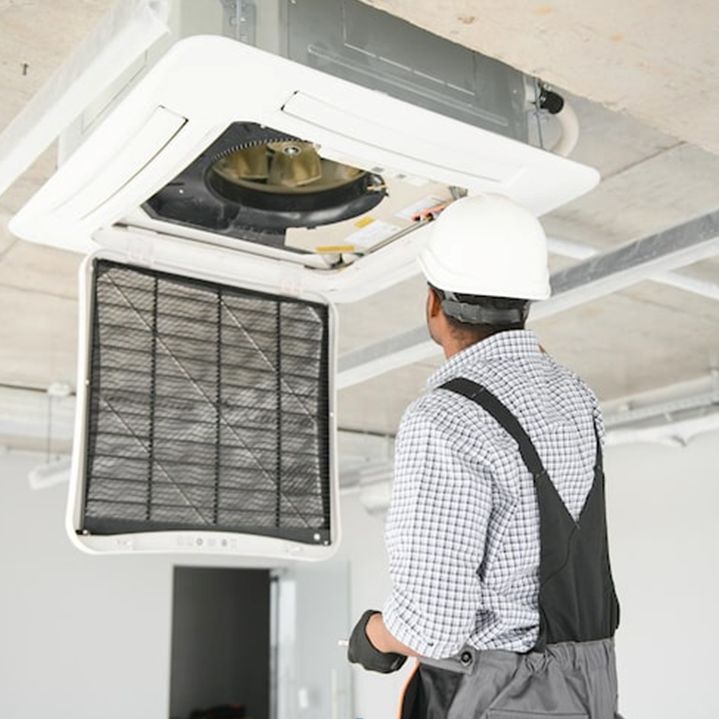
Professional Sanitair Air Duct Cleaning uses specialized equipment and techniques to remove dirt, dust, and contaminants efficiently. Here is a breakdown of the process:
1. Inspection
Before cleaning begins, technicians inspect your ducts using cameras or visual checks to identify:
- Dust and debris accumulation
- Mold growth
- Structural issues or leaks
This ensures the cleaning process is thorough and tailored to your home’s needs.
2. HVAC System Preparation
The HVAC system is turned off, and protective measures are set in place to avoid contamination during cleaning. This includes:
- Sealing vents to control airflow
- Using vacuum systems to capture debris
3. Debris Removal
Technicians use high-powered vacuums and brushes to dislodge dust, dirt, and mold. In multi-story homes, they carefully clean:
- Supply ducts
- Return ducts
- Vents on each floor
This step may involve using Sanitair Air Duct Cleaning equipment designed for efficient and deep cleaning without damaging ducts.
4. Sanitization
After debris removal, ducts are sanitized to eliminate bacteria, mold spores, and allergens. Professional-grade disinfectants are applied to ensure a healthier indoor environment.
5. Final Inspection
A post-cleaning inspection ensures the ducts are free of contaminants and the system is operating efficiently. This step may include:
- Rechecking duct cleanliness
- Testing airflow and pressure
- Confirming even air distribution throughout all floors
Tips for Maintaining Clean Air Ducts
Even after professional cleaning, ongoing maintenance is essential for long-term benefits. Here are some tips:
1. Regular Filter Replacement
Change HVAC filters every 1–3 months depending on usage. High-quality filters capture more dust and allergens, reducing duct contamination.
2. Monitor Moisture Levels
Keep your home well-ventilated to prevent mold growth. Consider using dehumidifiers in areas prone to dampness.
3. Schedule Routine Cleaning
Multi-story homes may require Sanitair Air Duct Cleaning every 3–5 years, or more frequently if you notice signs of dust or mold.
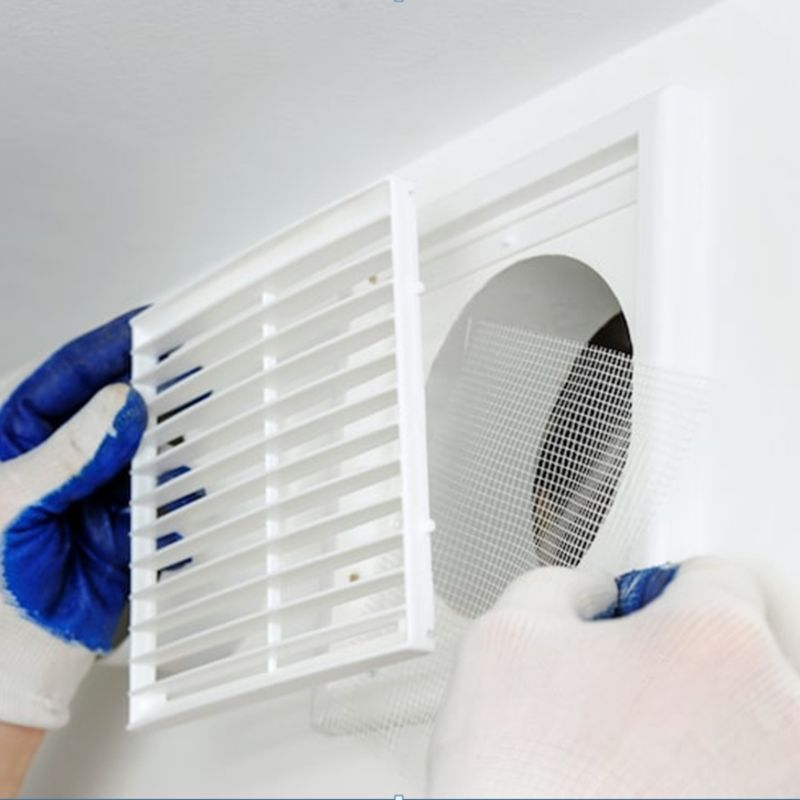
4. Keep Vents and Registers Clean
Dust and vacuum vents regularly to minimize accumulation inside your ducts.
5. Maintain Your HVAC System
Regular HVAC maintenance, such as coil cleaning, system inspection, and duct sealing, can reduce debris buildup and improve efficiency.
Benefits of Choosing Professional Sanitair Air Duct Cleaning
While DIY cleaning may seem tempting, professional services provide several advantages:
- Thorough cleaning: Experts have access to specialized equipment that removes debris deep within ducts.
- Healthier home environment: Sanitization eliminates bacteria, mold, and allergens.
- Energy efficiency: A clean HVAC system runs more efficiently, saving money on energy bills.
- Peace of mind: Certified professionals ensure no damage to ducts or HVAC components.
By choosing Sanitair Air Duct Cleaning, homeowners can trust that their multi-story homes receive comprehensive care and maintain optimal air quality.
Conclusion
Clean air ducts are vital for maintaining a healthy, comfortable, and energy-efficient multi-story home. Regular Sanitair Air Duct Cleaning not only improves indoor air quality but also enhances HVAC performance and protects your family from allergens and pollutants.
If your home shows signs of dirty ducts, uneven airflow, or persistent odors, it is time to schedule a professional cleaning. With proper maintenance, you can enjoy:
- Cleaner air for your family
- Reduced energy bills
- A longer-lasting HVAC system