Today. It's Free!

Renu Therapy
- Office 7146172007
- Email help@renutherapy.com
- Website www.renutherapy.com/pages/commercial
-
1570 Sunland Ln, Costa Mesa, CA 92626
Cold Plunge Water Chiller: Ultimate Buyer’s Guide and Benefits Explained
Introduction: Why Cold Plunge Therapy is Growing So Fast
Cold plunge therapy has moved far beyond elite sports recovery rooms and luxury spas. Today, athletes, biohackers, and wellness-focused individuals are adopting it as a daily ritual. From professional football players and endurance athletes to celebrities and fitness influencers, the practice of immersing the body in cold water has become a global wellness trend.
The reason is simple: people are searching for faster recovery, better mental clarity, and improved resilience. Cold exposure triggers a powerful physiological response that affects both body and mind. This is where the cold plunge water chiller has transformed the experience, making consistent, controlled cold therapy possible at home.
Unlike traditional ice baths that require constant ice refills and temperature guesswork, modern systems provide precise cooling, convenience, and repeatable results. This shift has made cold therapy more accessible than ever, especially for users investing in an ice bath at home setup or a commercial cold plunge system.
Science-Backed Benefits of Cold Plunge Therapy
Cold water immersion is not just a trend, it is supported by research in sports science, neuroscience, and physiology.
1. Muscle Recovery and Reduced Soreness
After intense workouts, micro-tears occur in muscle fibers, leading to soreness and inflammation. Cold exposure helps constrict blood vessels, reducing swelling and flushing out metabolic waste.
This is why many athletes use cold water therapy after training sessions to speed up recovery and reduce delayed onset muscle soreness (DOMS).
2. Inflammation Reduction
Cold exposure reduces inflammatory markers in the body. Lower inflammation supports joint health, improves mobility, and may reduce the risk of overtraining injuries.
This benefit is especially important for people using recovery tubs regularly after strength training or endurance sports.
3. Dopamine and Mood Boost
Studies show that cold immersion can significantly increase dopamine levels, sometimes up to 2.5 times baseline. This leads to improved focus, motivation, and mood stability.
Regular users often report feeling mentally refreshed, energized, and more disciplined after cold plunges.
4. Improved Circulation and Resilience
Alternating between cold exposure and normal temperature improves vascular function. Over time, this can enhance circulation efficiency and build stress resilience.
Buying Guide: Types of Cold Plunge Systems
Choosing the right setup depends on budget, convenience, and long-term goals. Below are the three most common options.
1. Inflatable / Portable Cold Plunge Tanks (Budget-Friendly)
These are entry-level systems designed for beginners.
Pros:
- Affordable setup cost
- Lightweight and portable
- Easy to install anywhere
- Good for beginners testing cold therapy
Cons:
- Requires manual ice addition
- No temperature control
- Less durable over long-term use
- Inconsistent cooling experience
Best for users exploring cold therapy without committing to a full system.
2. Chiller-Integrated Cold Plunge Tubs (Premium Option)
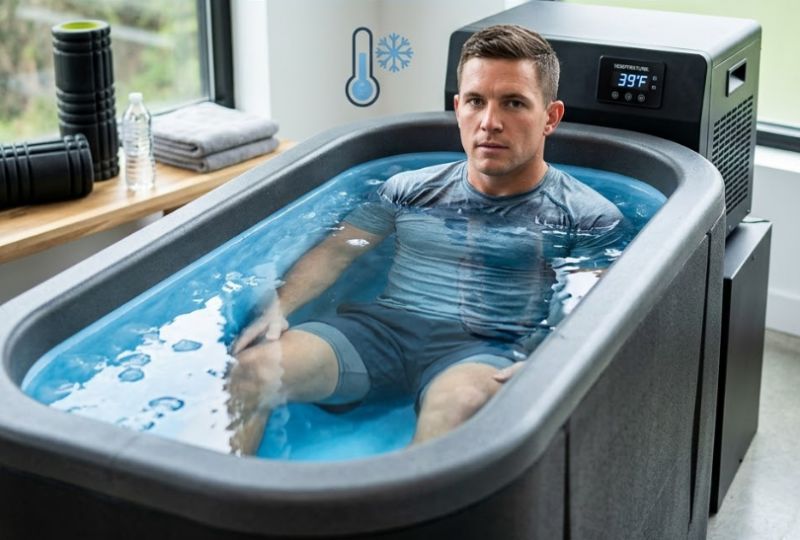
This is where the cold plunge water chiller becomes essential. These systems automatically regulate water temperature and maintain consistency.
Pros:
- Precise temperature control (typically 3°C to 15°C)
- No need for ice
- Continuous filtration and circulation
- Professional-grade recovery experience
- Ideal for daily use
Cons:
- Higher upfront cost
- Requires installation space
- Electricity usage
This is the preferred option for serious athletes, wellness studios, and high-performance users seeking a commercial cold plunge experience at home or in gyms.
3. DIY Chest Freezer Conversions
A popular budget hack involves converting a chest freezer into a cold plunge tub.
Pros:
- Low cost compared to commercial systems
- Strong insulation keeps water cold
- Can achieve very low temperatures
Cons:
- No built-in safety controls
- Risk of electrical hazards if poorly modified
- No filtration system unless added separately
- Aesthetic and usability limitations
While effective, this option requires technical knowledge and caution.
Cold Plunge System Comparison Table
FeatureChiller-Integrated SystemIce Manual BathTemperature ControlPrecise digital controlUnstable, variesConvenienceFully automatedRequires constant iceMaintenanceBuilt-in filtrationManual cleaningCostHigh initial investmentLow initial costLong-term UseIdeal for daily useInconvenient for frequent useExperience QualityProfessional recovery tubsBasic cold immersion
This comparison clearly shows why many users upgrade to a water chiller for cold plunge systems for consistency and long-term convenience.
Key Features to Look for Before Buying
When investing in a cold plunge water chiller, consider the following features carefully:
Temperature Range
- Ideal range: 3°C to 15°C (37°F to 59°F)
- Lower temperatures are not always better; consistency matters more
Filtration System
- Look for ozone or UV filtration
- Prevents bacteria growth and keeps water clean longer
- Essential for shared or commercial use
Insulation Quality
- High-quality insulation reduces energy usage
- Maintains stable temperature with less workload on the chiller
Size and Capacity
- Single-person tubs: compact and home-friendly
- Larger commercial cold plunge units: suited for gyms or recovery studios
Cooling Speed
- Faster chill time improves usability
- Important for multiple daily sessions or business settings
Noise Level
- Premium chillers operate quietly
- Important for home or indoor use environments
Step-by-Step Guide: How to Do Cold Plunge for the First Time
If you are new to cold exposure, follow a safe and gradual approach.
Step 1: Start with a Moderate Temperature
Begin at 12°C to 15°C instead of extreme cold. This allows your body to adapt without shock.
Step 2: Limit Initial Exposure Time
Start with 1 to 3 minutes. Gradually increase to 5 to 10 minutes over time.
Step 3: Focus on Controlled Breathing
Slow, deep breathing helps regulate the body’s stress response and reduces discomfort.
Step 4: Enter Slowly and Calmly
Do not jump into the tub. Enter gradually to allow your nervous system to adjust.
Step 5: Monitor Your Body
If you feel dizziness or numbness beyond discomfort, exit immediately.
Step 6: Warm Up Naturally Afterward
Use towels and light movement instead of extremely hot showers immediately after.
Safety Precautions
- Avoid cold plunges if you have serious cardiovascular conditions unless cleared by a doctor
- Do not perform alone during initial sessions
- Avoid alcohol before exposure
- Keep sessions consistent but not excessive
Is a Cold Plunge Water Chiller Worth the Investment?
If your goal is consistent recovery, improved performance, and long-term wellness, a cold plunge water chiller is one of the most effective upgrades you can make.
While ice baths at home are cheaper initially, they require ongoing effort and lack precision. In contrast, chiller systems provide:
- Reliable temperature control
- Better hygiene through filtration
- Long-term convenience
- Professional-grade recovery experience
For athletes, fitness enthusiasts, and wellness-focused individuals, this makes the investment highly practical. For commercial setups like gyms or recovery studios, it becomes even more essential due to frequent usage demands.
Conclusion
Cold plunge therapy is no longer a niche practice reserved for elite athletes. It has become a mainstream recovery and mental wellness tool. With the rise of the cold plunge water chiller, users can now enjoy precise, safe, and convenient cold therapy at home or in professional environments.
Whether you choose a beginner portable tank, a premium chiller-integrated system, or even a DIY setup, the key is consistency and safe practice. Over time, cold exposure can support recovery, mental clarity, and overall resilience.