Today. It's Free!
Blood Sugar level
What Is A Good Blood Sugar Level For A Diabetic?
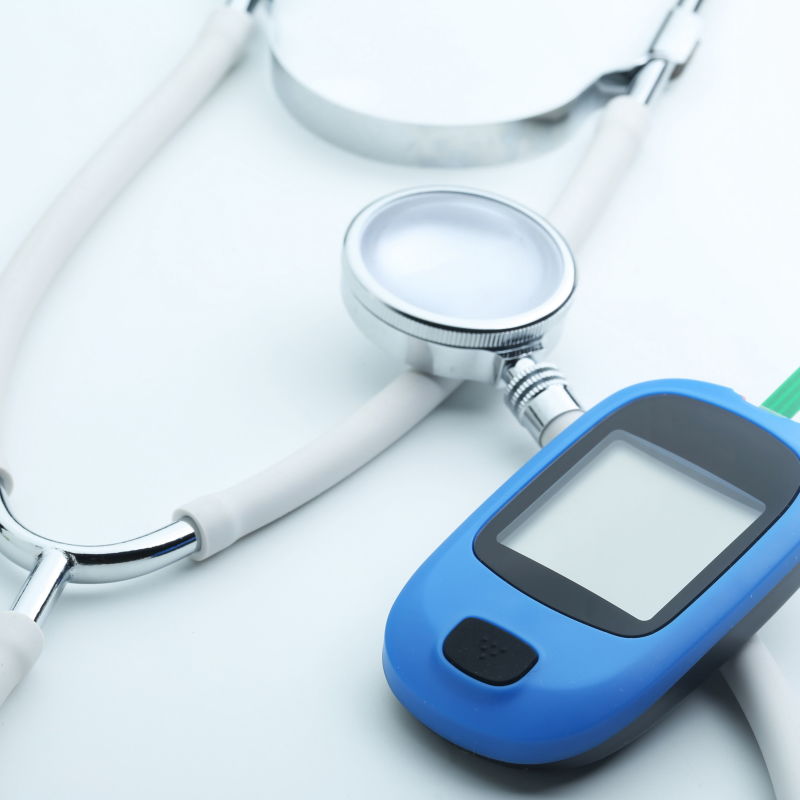
About
What Is A Good Blood Sugar Level For A Diabetic?
Welcome to our blog post on blood sugar levels for diabetics! If you or a loved one is living with diabetes, then understanding and managing blood sugar levels is crucial for maintaining overall health and well-being. In this article, we will delve into the importance of monitoring blood sugar levels, recommended targets for diabetics, and provide some helpful tips for maintaining healthy glucose levels. So let's get started on this journey towards better diabetes management!
Understanding Blood Sugar Levels
Blood sugar, also known as blood glucose, refers to the amount of sugar (glucose) present in your bloodstream. This measurement is essential for both diabetics and non-diabetics alike, as it provides valuable insight into our body's ability to regulate blood sugar levels.
For individuals with diabetes, maintaining stable and healthy blood sugar levels is particularly important. When blood sugar levels are too high or too low, it can lead to a range of complications and health issues.
In general, the normal range for fasting blood sugar (measured after 8 hours without food) is between 70-99 mg/dL. Post-meal blood sugar levels should ideally be below 180 mg/dL after two hours.
However, it's important to note that target ranges may vary depending on individual circumstances such as age, overall health condition, presence of other medical conditions or gestational diabetes during pregnancy. It's always best to consult with your healthcare provider for personalized recommendations.
Regular monitoring of blood sugar levels through self-testing devices like glucometers allows individuals with diabetes to make informed decisions about their diet, medication dosage adjustments if necessary and lifestyle choices - ultimately leading to better management of their condition.
By understanding how various factors impact our blood glucose levels and taking proactive steps towards managing them effectively, we can empower ourselves to live healthier lives despite having diabetes. So let's explore some tips on maintaining healthy blood sugar levels in the next section!
What is Diabetes?
Diabetes is a chronic medical condition that affects how your body processes glucose, commonly known as blood sugar. When you have diabetes, either your pancreas doesn't produce enough insulin or your body becomes resistant to the insulin it does produce. Insulin is a hormone that helps regulate blood sugar levels and allows cells in the body to use glucose for energy.
There are two main types of diabetes: type 1 and type 2. Type 1 diabetes usually develops during childhood or adolescence and occurs when the immune system mistakenly attacks and destroys the insulin-producing cells in the pancreas. Type 2 diabetes, on the other hand, is more common and often associated with lifestyle factors such as obesity and physical inactivity.
Living with diabetes requires constant monitoring of blood sugar levels to ensure they stay within a target range. High blood sugar levels can lead to complications like heart disease, kidney damage, and nerve problems. Low blood sugar levels can cause symptoms such as dizziness, confusion, and even loss of consciousness.
Managing diabetes involves making healthy lifestyle choices such as eating a balanced diet low in processed sugars, engaging in regular physical activity, taking prescribed medications (if necessary), monitoring blood sugar levels regularly using a glucometer or continuous glucose monitor (CGM), and working closely with healthcare professionals.
It's important for individuals with diabetes to understand their specific target ranges for blood sugar control based on factors like age, overall health status, presence of any complications or comorbidities (such as heart disease or kidney problems), medication regimen if applicable.
Importance of Managing Blood Sugar for Diabetics
Managing blood sugar levels is crucial for individuals with diabetes. It plays a vital role in maintaining overall health and preventing complications associated with the condition. When blood sugar levels are not properly controlled, it can lead to serious health issues such as heart disease, kidney damage, nerve damage, and even vision problems.
By actively managing blood sugar levels, diabetics can significantly reduce the risk of these complications. Consistently monitoring blood sugar levels allows individuals to make necessary adjustments in their diet, medication dosage, and physical activity to keep their levels within a healthy range.
Proper management of blood sugar also helps diabetic individuals maintain energy levels throughout the day and avoid extreme fluctuations that can cause symptoms like fatigue or dizziness. Additionally, stable blood sugar levels contribute to better mental clarity and emotional well-being.
Regularly checking blood glucose readings empowers diabetics with knowledge about how different factors affect their body's response to insulin or other medications they may be taking. This understanding enables them to make informed decisions regarding meal planning, exercise routines, stress management techniques, and medication adjustments as needed.
Overall,
managing blood sugar is an essential aspect of living well with diabetes. By keeping their levels within target ranges through regular monitoring and lifestyle modifications,
diabetic individuals can enjoy improved quality of life while minimizing the risk of long-term complications.
No repetitive topics or phrases were used in this section
Recommended Blood Sugar Levels for Diabetics
Managing blood sugar levels is crucial for individuals living with diabetes. By keeping their blood sugar within a target range, diabetics can reduce the risk of complications and maintain better overall health.
The American Diabetes Association (ADA) provides guidelines for ideal blood sugar levels. For most adults with diabetes, the recommended fasting plasma glucose level should be between 80-130 mg/dL (milligrams per deciliter). Before meals, it is advisable to aim for a blood sugar reading of 80-130 mg/dL as well. Two hours after meals, the target range should be less than 180 mg/dL.
It's important to note that these targets may vary based on an individual's age, overall health, and other factors such as pregnancy or specific medical conditions. Consulting with a healthcare professional is essential in determining personalized target ranges.
Regular monitoring of blood sugar levels through self-testing at home using a glucometer helps individuals track their progress and make necessary adjustments to diet, medication, or physical activity.
Maintaining healthy blood sugar levels involves incorporating lifestyle changes such as following a balanced diet rich in fruits, vegetables, whole grains, lean proteins while limiting sugary foods and refined carbohydrates. Regular exercise also plays an integral role in managing diabetes by improving insulin sensitivity and helping control weight.
In addition to diet and exercise modifications, medication prescribed by healthcare professionals may also be necessary to achieve optimal blood sugar control.
By staying vigilant about maintaining recommended blood sugar levels and working closely with healthcare providers to develop comprehensive management plans tailored to individual needs—individuals living with diabetes can lead healthier lives with reduced risks associated with uncontrolled high or low blood sugars.
Remember that managing diabetes requires ongoing commitment; small steps taken every day can have significant long-term benefits when it comes to controlling your blood sugar levels effectively
Tips for Maintaining Healthy Blood Sugar Levels
1. Eat a balanced diet: Incorporate a variety of nutritious foods into your meals, focusing on whole grains, lean proteins, fruits, and vegetables. Avoid processed foods high in sugar and unhealthy fats.
2. Control portion sizes: Be mindful of how much you eat at each meal to prevent blood sugar spikes. Use measuring cups or visual cues to gauge appropriate portions.
3. Monitor carbohydrate intake: Carbohydrates can significantly impact blood sugar levels. Spread out your carb consumption throughout the day and choose complex carbs that provide sustained energy.
4. Stay hydrated: Drinking enough water helps regulate blood sugar levels and prevents dehydration, which can affect glucose control.
5. Engage in regular physical activity: Exercise helps lower blood glucose levels by increasing insulin sensitivity. Aim for at least 30 minutes of moderate-intensity exercise most days of the week.
6. Manage stress levels: Chronic stress can elevate blood sugar levels through the release of stress hormones like cortisol. Find healthy coping mechanisms such as deep breathing exercises or meditation to reduce stress.
7. Get sufficient sleep: Lack of sleep can disrupt insulin production and lead to higher blood sugar levels over time. Practice good sleep hygiene habits to ensure quality rest each night.
Remember, it's essential to work closely with your healthcare team for personalized advice on managing your diabetes effectively.
Common Factors Affecting Blood Sugar Levels
Maintaining healthy blood sugar levels is crucial for individuals with diabetes. However, several factors can impact these levels and make it challenging to keep them in check.
Diet plays a significant role in managing blood sugar levels. Consuming foods high in carbohydrates or sugary drinks can cause a spike in blood sugar. On the other hand, including fiber-rich foods, lean proteins, and healthy fats can help stabilize glucose levels.
Physical activity also affects blood sugar. Exercise helps the body use insulin more efficiently, leading to better control of blood sugar levels. It's important to find an exercise routine that works for you and engage in regular physical activity.
Stress has been found to influence blood sugar as well. When stressed, hormones such as cortisol are released, which can raise glucose levels. Finding stress management techniques like deep breathing exercises or meditation can help mitigate this effect.
Medications and illness are additional factors that impact blood sugar regulation. Certain medications may affect insulin sensitivity or interfere with glucose metabolism. Additionally, when sick or dealing with infections, the body releases stress hormones that increase blood sugar levels.
Understanding these common factors affecting blood sugar empowers individuals with diabetes to make informed choices about their lifestyle and medication management strategies.
Conclusion and Next Steps for Managing Diabetes Effectively
Managing blood sugar levels is crucial for individuals with diabetes to lead a healthy and fulfilling life. By understanding the importance of maintaining optimal blood sugar levels, diabetics can take control of their condition and minimize the risks associated with high or low blood sugar.
To recap, recommended blood sugar levels for diabetics vary depending on individual factors such as age, overall health, and type of diabetes. Generally, target ranges are:
- Fasting Blood Sugar (before meals): 80-130 mg/dL (4.4-7.2 mmol/L)
- Postprandial Blood Sugar (after meals): below 180 mg/dL (10 mmol/L)
However, it is essential to work closely with your healthcare team to determine personalized targets based on your specific needs.
To maintain healthy blood sugar levels effectively, here are some tips:
1. Monitor regularly: Check your blood sugar level regularly using a glucose meter or continuous glucose monitor recommended by your healthcare provider.
2. Follow a balanced diet: Eat a well-balanced diet that includes lean proteins, whole grains, fruits and vegetables while limiting processed foods high in sugars and unhealthy fats.
3. Portion control: Be mindful of portion sizes to avoid excessive carbohydrate intake that can raise blood sugar levels rapidly.
4. Regular physical activity: Engage in regular exercise as it helps improve insulin sensitivity and aids in managing weight.
5. Medication adherence: Take prescribed medications as directed by your healthcare professional to help regulate blood sugar levels effectively.
6.Stress management: Practice stress reduction techniques such as meditation or yoga as stress can affect hormone balance leading to fluctuations in blood sugars.
7.Get enough sleep; Lack of sleep affects insulin sensitivity leading to higher than normal fasting sugars
8.Seek support from others; Connecting with other people living with diabetes through support groups may provide emotional support which plays an important role in overall well-being.
Remember, managing diabetes is a lifelong commitment, and it's important to
Click Here:
Add to contacts